

Are LED Face Masks Overhyped? Here’s the Truth
April 27, 2026
LED face masks have quickly become one of the most talked about skincare tools — promising everything from clearer skin to fewer wrinkles, all from the comfort of home. But do they deliver meaningful results? Or are they another trend that sounds more impressive than it is? Here’s what to know.
First, What are LED Face Masks?
LED (light-emitting diode) masks use different wavelengths of visible light — most commonly red and blue — to target specific skin concerns.
- Red light is typically associated with anti-aging benefits
- Blue light is often used to target blemish-causing bacteria
These treatments are non-invasive and widely considered safe when used as directed, but like many skincare technologies, the reality is more nuanced than the marketing.
The Pros of LED Face Masks
There’s a reason LED masks have gained popularity — they can offer some benefits when used appropriately.
- Help reduce breakouts: Both red and blue light have been shown to temporarily improve the appearance of blemishes by targeting acne-related bacteria and inflammation.
- Non-invasive and easy to use: LED masks are painless and require no downtime, making them appealing for at-home routines.
- May support short-term skin improvements: Some users notice mild improvements in skin clarity or tone with consistent use.
The Cons of LED Face Masks
While not inherently harmful, LED masks are not without limitations, and in some cases, there may be drawbacks to consider.
- Results are often temporary: LED treatments tend to deliver short-term improvement rather than lasting structural changes in the skin.
- Overuse can disrupt the skin barrier: Frequent or prolonged use (more than 2–3 times per week or extended sessions) may contribute to skin stress rather than repair.
- Can trigger inflammation—not just reduce it: While marketed as calming, certain wavelengths can stimulate acute inflammation. Over time, repeated exposure may contribute to what experts call “inflammaging” — a form of premature aging driven by chronic, low-level inflammation.
- May interfere with the skin’s natural repair processes: Some evidence suggests that repeated light exposure can slow the skin’s natural recovery mechanisms, potentially allowing environmental stressors to penetrate more deeply.
- Not a complete solution for aging: Wrinkles, sagging, and loss of elasticity are complex processes tied to collagen breakdown and barrier damage. LED face masks alone do not address all these underlying causes.
Why Skin Aging Is More Complex Than Light Exposure
It’s easy to think of skin aging as a single issue, but in reality, it is driven by multiple factors.
- Photoaging from ultraviolet exposure
- Inflammaging caused by chronic inflammation from environmental stressors like pollution, diet, and lifestyle
- Barrier damage allows irritants and toxins to penetrate more easily
Any anti-aging treatment that doesn’t address all three is inherently limited.
A Smarter Approach: Support the Skin, Don’t Stress It
Part of the allure of LED masks is that traditional topical masks are often thought to be limited to immediate surface-level benefits like hydration or exfoliation. While this is certainly true of some formulations, others have been clinically shown to address deeper underlying factors like inflammation and barrier damage that contribute to visible skin aging. In fact, focusing on barrier repair and inflammation control with a topical mask may deliver more consistent, long-term results than a LED face mask.
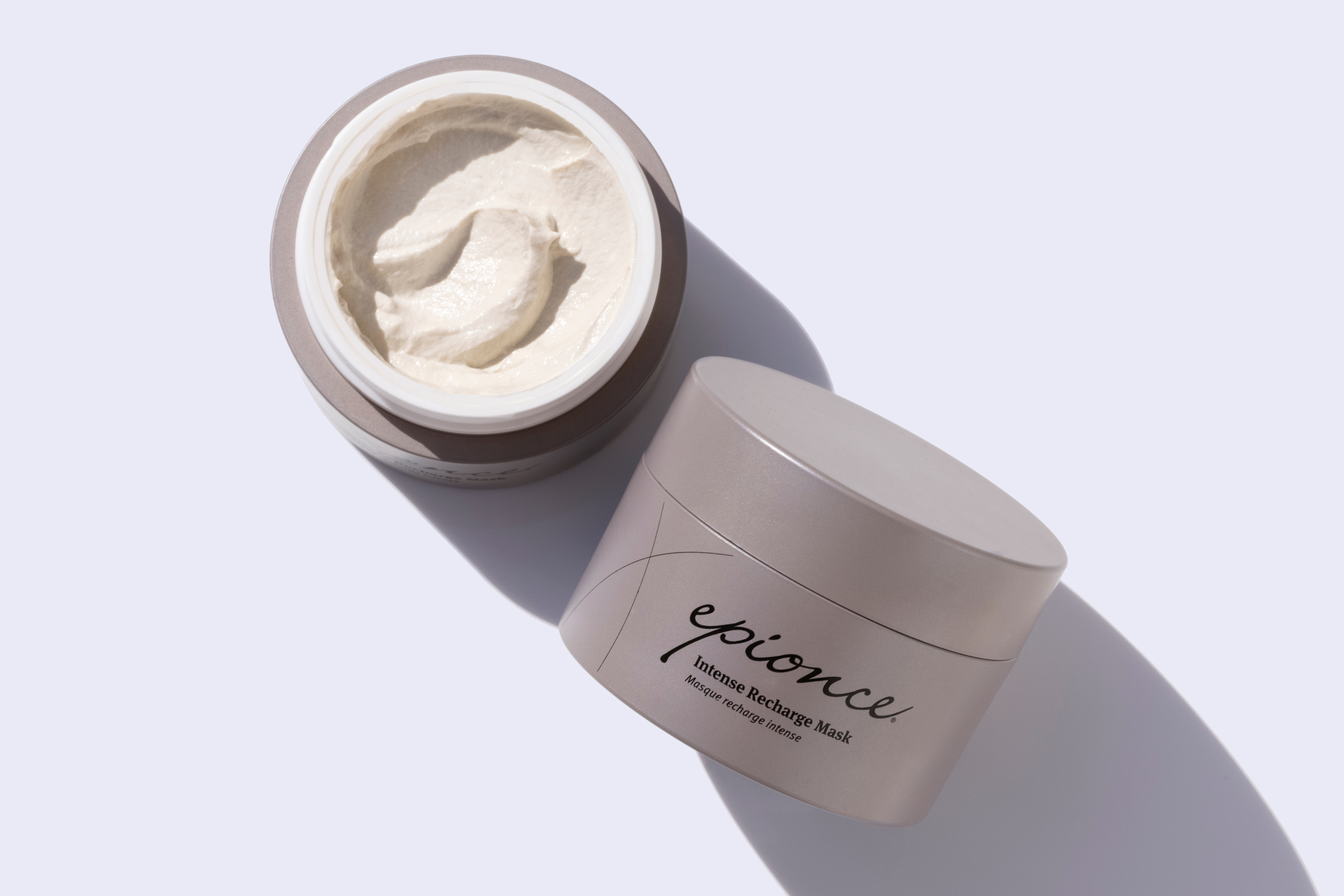
Products like the Epionce Intense Recharge Mask are designed to:
- Help recharge the skin barrier
- Enhance skin radiance
- Improve skin rejuvenation and visible signs of aging
- Support natural repair processes across all layers of the skin
- Provide long-lasting results
In clinical testing, improvements in the appearance of wrinkles using Intense Recharge Mask have been observed with 15 treatments lasting 20-30 minutes every other day for one month — aligning more closely with how skin actually regenerates. More benefits, such as more even skin tone have been reported as well.
So, Are LED Face Masks Overhyped?
Not entirely; LED face masks can play a role in a skincare routine, particularly for short-term improvements in blemishes or mild skin concerns, but they’re not a standalone solution, and in some cases, overuse may work against your skin rather than for it.
The Takeaway: Healthy skin isn’t just about stimulating it. It’s about protecting it, strengthening it, and supporting its ability to repair itself.
If you’re looking for additional guidance and are interested in a personalized Epionce regimen that supports skin health while addressing your specific concerns, consult with an Epionce Pro! Find an Epionce Pro Near You.