

The Truth About Ceramides: Your Skin Barrier Needs More Than That
June 17, 2026
Ceramides are everywhere right now. From moisturizers and serums to social media skincare advice, they’ve become one of the most talked-about ingredients in skin care, and while ceramides absolutely deserve some of the attention, they aren’t the whole story.
One of the biggest misconceptions in skin care is that simply adding more ceramides will automatically fix a damaged skin barrier. In reality, healthy skin depends on a carefully balanced combination of barrier lipids working together — particularly ceramides, cholesterol, and free fatty acids. Think of ceramides as an important member of the team, but not the entire team itself.
Understanding how these lipids work together can help explain why some barrier-supporting products outperform others — and why healthy skin requires more than a single trending ingredient.
What Are Ceramides?
Ceramides are naturally occurring lipids, or fats, found within the outermost layer of the skin. Their primary job is to help hold skin cells together and maintain the integrity of the skin barrier. A common way dermatologists describe the skin barrier is as a brick wall. The skin cells are the “bricks,” while ceramides function as part of the “mortar” that helps hold everything together. Without sufficient mortar, a wall becomes weak and unstable, and the same is true for skin. When ceramide levels are healthy, skin is better able to:
- Retain moisture
- Defend against environmental aggressors
- Resist irritation
- Maintain a smooth, healthy appearance
When ceramide levels decline, the barrier becomes more vulnerable to moisture loss, sensitivity, and visible signs of aging.
What Are Barrier Lipids?
While ceramides receive most of the attention, they are only one part of the skin barrier’s lipid structure. Healthy skin relies on three primary barrier lipids:
- Ceramides
- Cholesterol
- Free fatty acids
Together, these lipids form the protective matrix that keeps moisture in and environmental irritants out. Many people are surprised to learn that cholesterol plays a particularly important role in maintaining barrier function. In fact, skin works most effectively when these lipids are present in an optimal ratio rather than in isolation.
Going back to the brick wall analogy, ceramides may help hold the structure together, but without enough cholesterol and free fatty acids, the wall lacks the stability and support it needs to function properly. This is why barrier repair is about balance — not simply increasing a single ingredient.
Types of Ceramides
Healthy skin contains multiple types of ceramides, each contributing to barrier function in slightly different ways. Some of the most commonly mentioned include:
- Ceramide NP
- Ceramide AP
- Ceramide EOP
- Ceramide NS
- Ceramide EOS
While consumers don’t necessarily need to memorize these names, seeing multiple ceramides listed on an ingredient label can indicate a more comprehensive approach to barrier support. Think of them as members of the same team, each helping strengthen and stabilize the skin’s protective structure.
What Do Ceramides Actually Do for Your Skin?
The benefits of ceramides go far beyond hydration.
Ceramides help prevent moisture loss. One of the skin barrier’s primary functions is preventing water from escaping through the skin. Ceramides help reinforce this protective seal, allowing skin to stay hydrated longer.
Ceramides support skin comfort. When the barrier is functioning properly, skin is less likely to feel tight, dry, itchy, or reactive.
Ceramides help defend against environmental stressors. Pollution, weather changes, UV exposure, and other environmental factors can challenge skin daily. Ceramides help support the barrier against these external aggressors.
Ceramides support healthy skin aging. Natural ceramide levels decrease with age. As this occurs, skin may become drier, thinner, and more susceptible to visible signs of aging. Maintaining healthy ceramide levels helps support skin’s resilience over time.
Why Ceramides Alone Aren’t Enough
One reason ceramides have become so popular is that they are easy to talk about. They’re recognizable, widely studied, and closely associated with healthy skin, but skin barrier repair is far more sophisticated than adding a single ingredient.
For ceramides to perform optimally, they need the support of other essential barrier lipids — particularly cholesterol and free fatty acids. When these lipids are present together, they help create the structure necessary for proper barrier function, hydration retention, and skin resilience.
That’s why dermatologists and skin scientists increasingly focus less on individual ingredients and more on restoring the skin’s overall lipid balance. Healthy skin isn’t built on one hero ingredient. It’s built on a healthy ecosystem.
Active Ingredients vs. Supportive Ingredients: Why Both Matter
People often focus on active ingredients to target specific concerns, yet supportive ingredients play an equally important role. Think of active ingredients as the specialists and supportive ingredients as the foundation. Without a healthy barrier, even the most effective active ingredients can become difficult for skin to tolerate. When the barrier is compromised, irritation increases, moisture escapes more easily, and visible results may suffer. That’s why many modern skincare formulations combine treatment-focused ingredients with barrier-supporting lipids that help skin remain healthy, balanced, and resilient.
Why Do Some Ingredient Combinations Cause Problems?
It’s not necessarily that ingredients “cancel each other out”. More often, certain combinations can overwhelm the skin.
For example:
- Multiple exfoliating acids layered together
- High-strength retinoids combined with aggressive exfoliation
- Too many active ingredients introduced at once
When the skin barrier becomes stressed, irritation can increase and results may actually decline. Supporting the barrier with a balanced combination of cholesterol, ceramides, and free fatty acids helps create a healthier environment for active ingredients to perform effectively.
Who Benefits Most from Barrier-Supporting Lipids?
The short answer: almost everyone. However, barrier-supporting ingredients may be especially beneficial for people who experience:
- Dry or dehydrated skin
- Sensitive skin
- Seasonal dryness
- Visible redness
- A compromised skin barrier
- Signs of aging
- Post-procedure skin concerns
- Blemish treatments that cause dryness or irritation
Because these lipids are naturally found in healthy skin, they are generally well tolerated across a wide range of skin types.
Epionce Product Spotlight
At Epionce, barrier health is the foundation of healthy skin. Rather than focusing on a single trending ingredient, Epionce formulations are designed to support the skin’s natural lipid balance with cholesterol, ceramides, and free fatty acids to help optimize barrier function.
Renewal Calming Cream: Appropriate for face and body, this powerful hydrating cream is specifically designed to help soothe and comfort sensitive, compromised, or visibly irritated skin while supporting optimal barrier function. Its rich, nourishing formula helps replenish essential moisture while promoting a healthier-looking complexion.
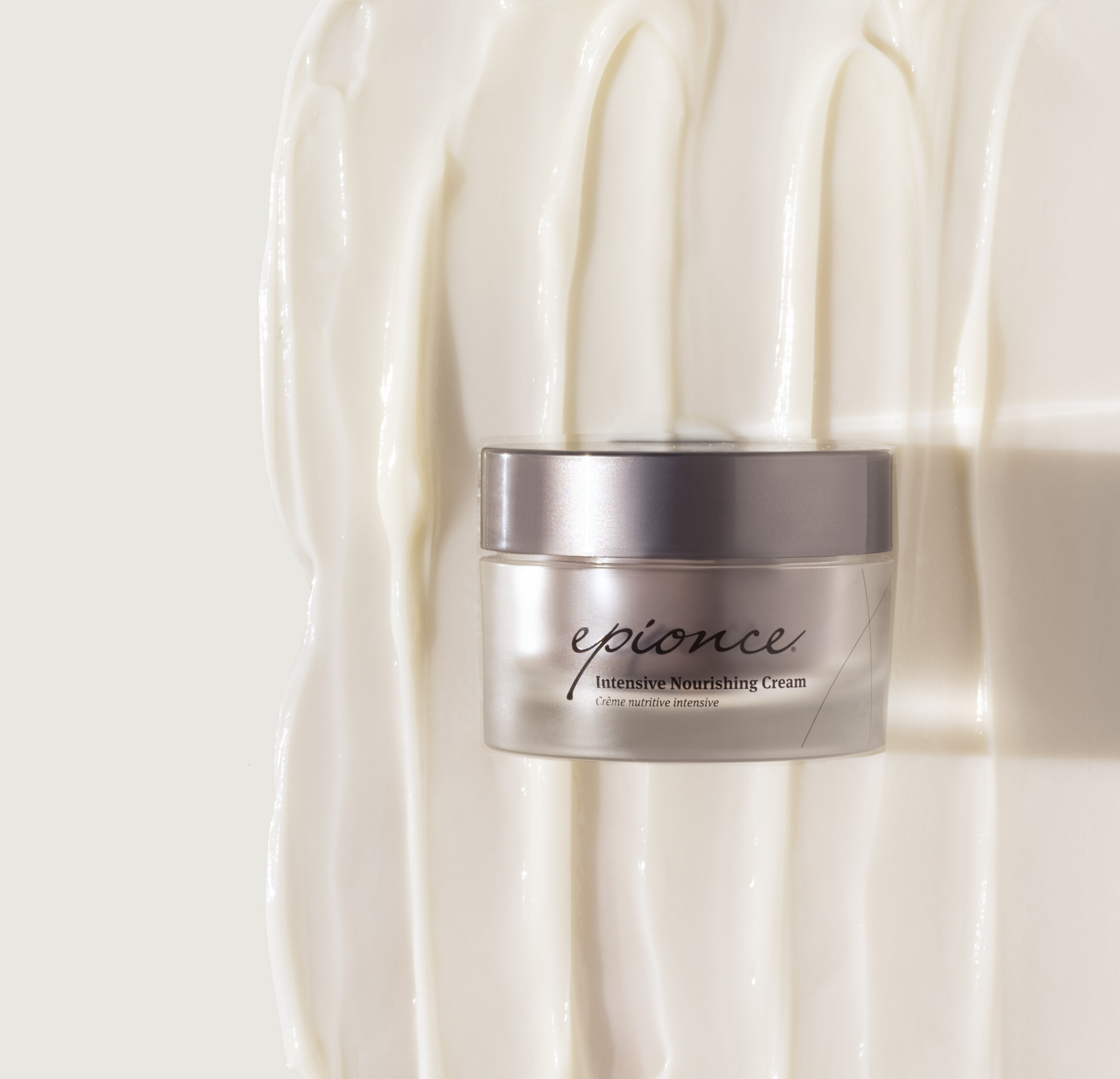
Intensive Nourishing Cream: For those experiencing significant dryness or seeking enhanced barrier support, Intensive Nourishing Cream provides intensive hydration and replenishment. The formula helps reinforce the skin’s protective barrier while improving the appearance of dry, rough, or environmentally stressed skin.
The Bottom Line
Ceramides may be the ingredient everyone is talking about right now, but healthy skin depends on much more than ceramides alone. A strong skin barrier requires the right balance of cholesterol, ceramides, and free fatty acids working together to help retain moisture, defend against environmental stressors, and support overall skin health. So, while ceramides deserve their moment in the spotlight, they perform best as part of a larger team. Because healthy skin isn’t built on one hero ingredient — it’s built on balance.