

Razor Bumps, Ingrown Hairs, or Razor Burn? Here’s How to Tell the Difference
May 21, 2026
Shaving should leave skin feeling smooth — not irritated, bumpy, or uncomfortable, but for many women and men, post-shave irritation is a regular frustration. Whether it’s painful ingrown hairs, persistent razor bumps or stinging razor burn, these concerns are incredibly common yet often misunderstood. The good news is, once you understand what’s causing the irritation, it becomes much easier to prevent and manage.
First Things First: What’s the Difference?
While razor bumps, ingrown hairs, and razor burn are often used interchangeably, they are actually different skin concerns.
Ingrown Hairs: Ingrown hairs happen when a hair curls back into the skin instead of growing outward normally. This can lead to:
- Small bumps
- Redness or discoloration
- Tenderness
- Trapped hairs beneath the surface
Ingrown hairs are especially common in areas where hair is coarse or curly, including the bikini area, underarms, face, and neck.
Razor Bumps: Razor bumps — also called pseudofolliculitis barbae — develop when shaved hairs re-enter the skin after being cut too closely. These bumps are often:
- Inflamed
- Itchy or painful
- Clustered after shaving
Razor bumps are particularly common in those with tightly curled or textured hair.
Razor Burn: This is more of an immediate irritation response caused by friction and barrier disruption during shaving. Symptoms can include:
- Stinging
- Redness
- Dryness
- Tight or sensitive skin
Unlike ingrown hairs, razor burn typically appears shortly after shaving rather than days later.
Folliculitis: Folliculitis occurs when hair follicles become inflamed, sometimes due to a combination of bacteria, sweat, friction, or shaving. It may resemble acne and can appear as:
- Small pus-filled bumps
- Red or inflamed follicles
- Tender patches of skin
Why Some Skin Types Are More Prone to Ingrown Hairs
Hair texture and skin tone can play a significant role in how post-shave irritation appears and heals. People with curly, coarse, or tightly coiled hair are naturally more prone to ingrown hairs because the hair is more likely to curve back into the skin. Additionally, deeper skin tones may experience:
- More noticeable post-inflammatory discoloration
- Dark spots after irritation heals
- Longer-lasting visible marks from picking or inflammation
That’s why prevention — and minimizing inflammation early — is especially important.
The Most Common Mistakes That Make Razor Bumps Worse
Sometimes, the habits meant to create a smoother shave actually increase irritation.
Shaving too closely: Multi-blade razors can cut hairs beneath the skin’s surface, increasing the likelihood of ingrown hairs.
Dry shaving: Skipping shaving cream or shaving dry creates more friction and barrier damage.
Using dull blades: Old razors tug at the hair instead of cutting cleanly, which increases irritation.
Over-exfoliating: Harsh scrubs and aggressive acids can weaken the skin barrier, leaving skin more inflamed and reactive.
Picking at bumps: Trying to extract ingrown hairs manually often worsens inflammation and can lead to discoloration or scarring.
How to Help Prevent Razor Bumps and Ingrown Hairs
A few small changes can make a major difference.
Prep the skin first: Warm water helps soften both the hair and skin before shaving.
Shave in the direction of hair growth: Going against the grain may feel smoother initially, but it significantly increases the risk of ingrown hairs.
Avoid excessive pressure: Let the razor glide lightly across the skin rather than pressing down aggressively.
Support the skin barrier: Hydrated, balanced skin is less prone to irritation after hair removal.
Don’t overdo exfoliation: Gentle exfoliation can help prevent trapped hairs, but more is not always better.
A Simple Routine for Smoother, Calmer Skin
To prevent and address post-shave irritation, consistency matters more than complexity.
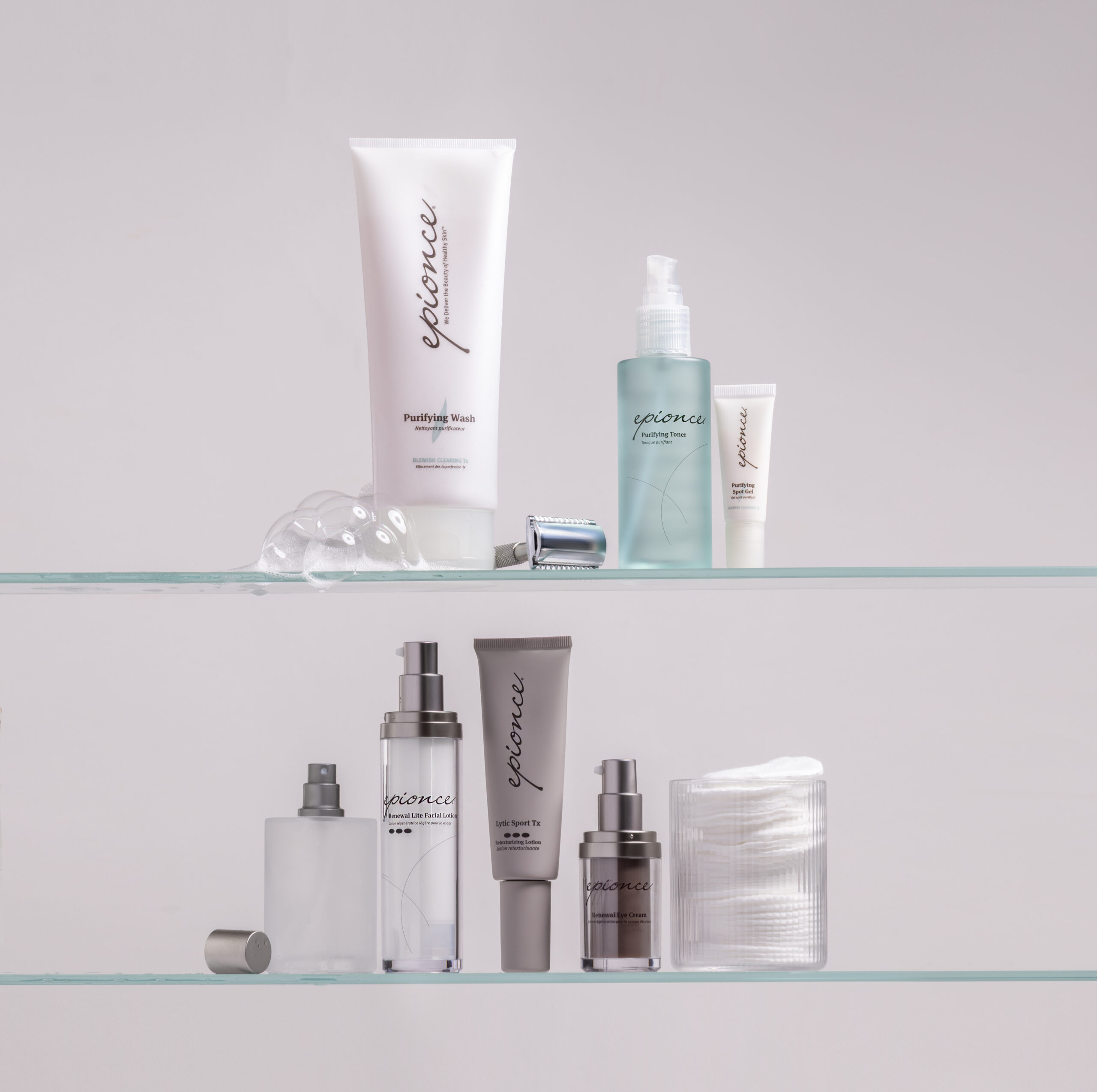
- Cleanse gently: Use a mild cleanser, such as Lytic Gel Cleanser, to remove buildup without stripping the skin (this gel wash can also be used in place of shaving cream).
- Soothe irritation: A light misting of humectant-infused Balancing Toner can help calm the look of redness and help the skin retain moisture.
- Keep skin hydrated: Lightweight hydration with Renewal Lite Facial Lotion and Enriched Body Cream helps support the skin barrier after shaving. Enriched Body Cream can be used as a shaving medium outside of the shower as well.
The Epionce Approach: Healthy Skin Starts With the Barrier
At Epionce, we believe smoother, healthier-looking skin starts with supporting the skin barrier — not stripping it. When the skin barrier becomes compromised through repeated shaving, harsh exfoliation, or irritation, skin is more vulnerable to redness, sensitivity, and persistent post-shave bumps. That’s why a barrier-first approach matters.
Instead of relying on overly aggressive treatments, we focus on helping skin stay balanced, hydrated, and resilient. Supporting the skin’s natural processes can help reduce visible irritation, improve recovery after shaving, and minimize the cycle of recurring razor bumps and ingrown hairs. Because ultimately, calm skin is healthy skin — and healthy skin is at the heart of the Epionce philosophy.