How to Gently Remove Makeup Without Stripping Your Skin Barrier
October 22, 2026
Whether your makeup routine is lightweight, full-coverage foundation, or the occasional Halloween transformation, what goes on your face eventually must come off.
After hours of wear, makeup can mix with sunscreen, oil, sweat and environmental debris on the skin’s surface. Heavier formulas, long-wear products, and face paint may require a little more effort to remove completely, but that doesn’t mean your skin needs aggressive scrubbing or an elaborate multi-step cleansing routine.
In fact, over-cleansing in the name of getting every last trace of makeup off can actually leave the skin barrier feeling dry, tight, and irritated. The goal of a good post-makeup skincare routine is simple: remove what doesn’t belong on the skin while protecting what does.
Does Wearing Makeup Affect Your Skin Barrier?
Makeup itself isn’t automatically bad for your skin barrier. What matters is the formula you’re using, how long it remains on the skin, and, most importantly, how you remove it.
Heavy makeup presents an additional challenge simply because there may be more to remove. Waterproof mascara, long-wear foundation, theatrical makeup and face paint are designed to stay put — which can make vigorous rubbing, repeated washing or using harsh cleansers seem necessary. They’re not.
The skin barrier relies on a carefully organized layer of lipids, including cholesterol, ceramides, and free fatty acids, to help retain moisture and protect skin from external stressors. Cleansing too aggressively can disrupt these natural lipids, leaving skin feeling dry, irritated or sensitive. So, when it comes to makeup removal, more cleansing isn’t necessarily better cleansing.
Should You Double-Cleanse After Wearing Makeup?
The answer is, sometimes. Double-cleansing can be helpful when you’re wearing heavy, waterproof, or long-wear makeup that isn’t completely removed with your normal cleanser. But it doesn’t need to be an automatic nightly requirement for everyone.
If you do double-cleanse, think of the first cleanse as makeup removal and the second as cleansing the skin itself. Most importantly, both steps should be gentle. Your skin shouldn’t feel tight or “squeaky” afterward. That sensation isn’t evidence that your face is exceptionally clean. In fact, it can be a sign that you’ve removed too much of the skin’s natural protective oils!
For lighter makeup, however, one thorough cleanse with the right product may be all you need.
How Do You Know If You’ve Removed All Your Makeup?
This is where a toner can be useful. After cleansing, gently sweeping a toner over the skin can help remove residual traces of makeup and impurities that cleansing may have missed while preparing the skin for the products that follow.
Pay particular attention to areas makeup likes to hide, such as along the hairline, around the brows and sides of the nose as well as on the jawline and neck, but avoid turning the toner step into another round of scrubbing. The goal is to leave the skin clean, balanced and refreshed, but not stripped.
If you’re repeatedly finding significant amounts of makeup after cleansing, that’s a clue that you may need to adjust your makeup-removal step rather than simply cleansing your face again and again.
The Biggest Makeup-Removal Mistakes
Ironically, many of the problems blamed on makeup can begin with the way it’s removed, and thorough makeup removal shouldn’t come at the expense of the skin barrier.
Overly hot water, abrasive washcloths, and vigorous scrubbing can remove more than makeup and impurities, potentially stripping away the natural lipids that help keep skin healthy and radiant. And this matters beyond how your skin looks the morning after a night in full glam. Repeatedly disrupting the barrier can affect the long-term health of your skin.
What Happens If You Don’t Remove Your Makeup At Night?
Throughout the day, makeup sits alongside natural oils, perspiration, sunscreen and environmental impurities. Leaving that on overnight can contribute to clogged pores and may cause breakouts.
What Should You Do After Removing Heavy Makeup?
Once makeup is thoroughly removed, shift the focus from cleansing to supporting the skin barrier. If your skin has already been under heavy makeup for hours and required extra cleansing to remove it, focus on gentle, barrier-supportive care rather than piling on additional aggressive exfoliants or treatments. Your post-makeup routine should leave your skin feeling calm, hydrated, and comfortable.
A Simple Post-Makeup Routine
The best routine doesn’t have to be the longest one. An effective post-makeup regimen can be surprisingly simple:
Step 1: Remove + Cleanse
Start by thoroughly removing makeup, with a cleanse that’s appropriate for your skin type. The goal is to lift away makeup, excess oil, and daily impurities without stripping the skin’s natural protective oils.
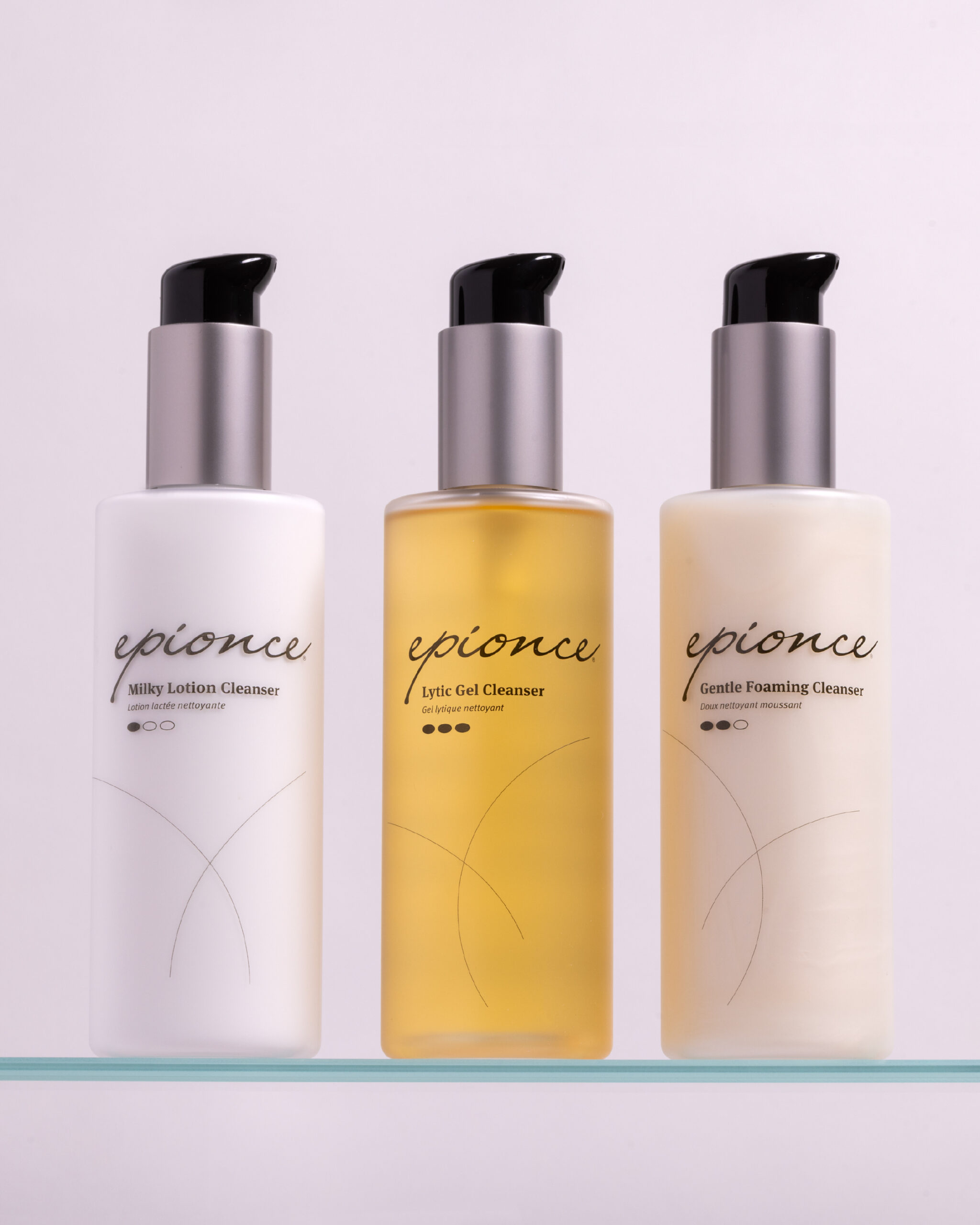
- Gentle Foaming Cleanser: Gentle cleansing for normal to combination skin
- Milky Lotion Cleanser: Hydrating and soothing for dry and sensitive skin
- Lytic Gel Cleanser: Ideal for oily and problem skin
Note: If double cleansing, start with Milky Lotion Cleanser followed by Gentle Foaming Cleanser or Lytic Gel Cleanser.
Step 2: Tone
Follow with an Epionce toner to help pick up residual impurities and prepare freshly cleansed skin for the rest of your regimen.
- Balancing Toner: Helps hydrate and visibly refine skin texture
- Purifying Toner: Reduces the appearance of oil and helps visibly clarify pores
Step 3: Gently Exfoliate (Optional)
For a gentle, retinol-like exfoliating treatment to help cleanse pores while smoothing the visible appearance of skin texture, apply Ultra Refining Lytic Serum before your final step.
Step 4: Moisturize
To keep it simple after a long night, follow your cleanser and toner with a barrier-supporting moisturizer and then you’re ready for bed. If you have a few extra minutes to include the exfoliation step, apply Ultra Refining Lytic Serum and follow with your Renewal.
- Renewal Lite Facial Lotion: Oily and combination skin
- Renewal Facial Lotion: Normal or combination skin
- Renewal Facial Cream: Dry and sensitive skin
- Intensive Nourishing Cream: All skin types, ideal for nighttime use while you sleep.
Interested in learning more about Epionce’s medical-grade formulations? Find an Epionce Pro Near You.